Imagine waking up to Richardson Bay outside your window. If you are considering a Sausalito floating home, you already know the lifestyle is special. The buying process is also different from a land-based house, and a little preparation goes a long way. In this guide, you will learn how ownership, leases, financing, inspections, and marina rules work in Sausalito so you can move forward with clarity. Let’s dive in.
Floating home vs. houseboat
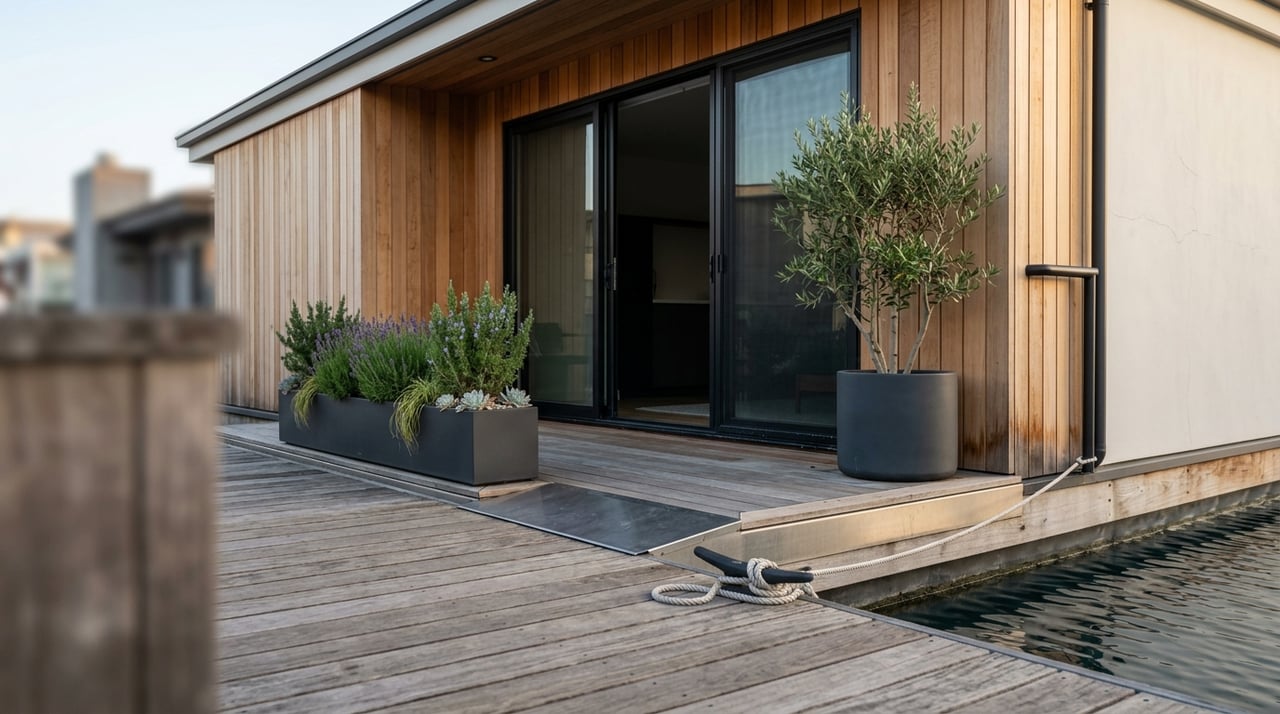
A floating home is a dwelling built on a float or barge that stays moored in place and connects to shore utilities. It is not designed to sail away. A houseboat is usually a vessel that can move and is regulated like a boat.
Why this matters for you: floating homes in Sausalito can be treated like real estate in some ways, but many sit on leased berths. That means your rights, fees, financing options, and resale path can differ from a standard single-family home.
Ownership and mooring basics
Floating homes in Sausalito sit within overlapping jurisdictions, including the City of Sausalito, Marin County, and regional or state agencies that oversee tidelands and shoreline activity. If you plan a repair or major change, permits may be needed from one or more agencies. Focus first on how your right to occupy the berth works.
Tenure models you will see
- Fee ownership of the structure and the berth or dock rights. This is less common.
- Leasehold, where you buy the structure but lease the berth or tidelands from a marina, private owner, or public entity.
- Marina slip assignment, where the marina controls occupancy, rules, and monthly fees.
Key documents to request early
- Recorded slip or berth lease, including term, renewal rights, and fee schedule.
- Any recorded easements, covenants, or declarations that affect access and use.
- Estoppel or confirmation from the marina or association that fees are current and rules are in good standing.
- Proof of recent payments for mooring or association fees and details on transfer procedures.
Marina and HOA rules to review
Marinas and floating-home associations set policies on rentals, guest access, pets, exterior changes, vendor approvals, trash and recycling, noise, and parking. Expect monthly fees that cover dock and piling maintenance, some utilities or common services, and administration. Some marinas pass through capital costs for dock replacement.
Clarify who maintains what. You are typically responsible for the floating home structure, including the float, decking, and interior systems. The marina or HOA usually maintains docks, pilings, and shared access ways. Confirm specifics in the governing documents.
Red flags to watch for
- A lease that is not assignable or ends at sale without clear protection.
- Short remaining lease term with no clear renewal path.
- Fee escalations with no cap or unclear formulas.
- No maintenance reserve for dock or piling replacement.
- Restrictions that limit your ability to sell or that impose high transfer fees.
Financing, taxes, and insurance
Financing a floating home can be straightforward with the right lender, but classification drives the path. Start this conversation early.
How lenders view floating homes
If a floating home is considered real property and assessed that way, a conventional mortgage may be possible. If the home is treated as personal property or sits on a leasehold berth, lenders may underwrite it more like a boat or manufactured home. Many conventional lenders do not have a floating-home program, so a local portfolio lender or a specialty lender is often the solution.
Common lender concerns include lease length that outlasts the loan, the ability to assign and subordinate the lease to the mortgage, and overall marketability of the collateral.
Loan options and typical requirements
- Conventional mortgage if classified as real property and underwriting criteria are met.
- Portfolio loans from local banks that know Sausalito floating homes.
- Chattel or boat-style loans if the structure is treated as personal property.
Expect a higher down payment and possibly higher rates if there is a leasehold. Lenders usually require the recorded lease with sufficient remaining term, an estoppel from the marina, proof of fee payments, proof of insurance, and permits for recent work.
Taxes and assessments
Property tax treatment varies. The county may assess the structure, the leasehold interest, or both. In some cases a floating home may be assessed as personal property or as a vessel. Confirm classification and projected taxes with the Marin County Assessor’s Office. Also ask about any special or capital assessments charged by the marina or association.
Insurance coverage to line up
Standard homeowner policies may not fit a floating home. Ask insurers for a policy tailored to floating residences that covers the float or barge, structure, contents, and liability. Consider flood insurance and earthquake coverage, given Bay Area risk. Some buyers also carry pollution liability in case of accidental discharge.
Insurers will pay close attention to mooring stability, electrical and propane installation, the condition of floats, and exposure to storms.
Practical next steps
- Contact lenders who have experience with Sausalito floating homes.
- Confirm the home’s tax classification and estimated property tax.
- Obtain insurance quotes before writing an offer.
Inspections and permitting
Floating homes require two sets of eyes: marine and residential. Build your team before you tour.
Who to hire
- Marine surveyor or naval architect to assess the float or barge, pilings and fastenings, and overall buoyancy and safety.
- Licensed home inspector who knows floating homes to check electrical, plumbing, HVAC, and interior systems.
- Specialists as needed, such as marine electricians, plumbers, welders or timber experts, and a structural engineer if pilings or tie-downs look compromised.
- Environmental or hazardous materials professional for older homes.
What to inspect closely
- Float or barge condition, including water intrusion, rot, corrosion, or foam deterioration.
- Fastenings and attachments, such as bolts, pile collars, and anchorage systems.
- Dock and gangway condition and safe egress.
- Sewer and blackwater handling, including legal connections and proper operation.
- Shore power and bonding, including marine-grade grounding and GFCI protection.
- Fuel and propane systems for proper venting and leak protection.
- Moisture and mold risk, with attention to ventilation and dehumidification.
- Fire safety, including detectors, extinguishers, and clear escape routes.
Permits and recent work
Ask for permits and approvals for float replacements, dock repairs, utility work, or major alterations. Work in or over tidelands often needs permits from local and regional agencies. Verify that prior work was permitted and inspected, since unpermitted work can create liability and complicate resale.
Ongoing maintenance expectations
Plan for periodic inspections of the float, fasteners, and piles, plus seasonal checks before winter storms. Marine-skilled labor is often required and can be costlier than land-based work. Staying ahead of maintenance preserves safety and resale value.
Lifestyle and daily logistics
Life on the water is unique. Make sure the day-to-day fits your needs before you commit.
Is the lifestyle right for you?
Pros include waterfront views, a strong sense of community, and a one-of-a-kind setting. Trade-offs can include limited private land, shared dock access, parking constraints, and more frequent or specialized maintenance. You may also notice ferry or marine traffic noise at times.
Everyday practicalities to confirm
- Parking, including assigned spaces, permits, cost, and walking distance.
- Access and mobility, including ramps and stairs at high and low tides.
- Utilities, how they are metered, and what is included in fees.
- Trash and recycling schedules and procedures.
- Guest docking rules and overnight policies.
- Pet policies and rules for BBQ or fuel use.
- Security measures, lighting, and any history of theft or vandalism.
Resale and marketability
Floating homes are a niche segment. Resale timelines can be longer, and lease terms, condition, and documentation will drive value. Comparable sales from Sausalito’s floating-home neighborhoods and current marina policies help set expectations for pricing and time on market.
Questions to ask before touring
- Is the berth owned or leased, and may I review the full lease and payment history?
- How much time remains on the lease, what are the renewal rights, and how are fees adjusted?
- What are current monthly mooring or association fees, what do they cover, and are any assessments pending?
- Who is responsible for dock and piling maintenance, and is there a reserve fund?
- Has a recent marine survey or structural inspection been completed, and can I see the reports?
- Are there recorded covenants or occupancy rules that affect use or transfer?
- What insurance is in place now, and what coverage is required by the marina or association?
- Are there any known violations or unpermitted work?
- Are rentals allowed, short term or long term, and what are the occupancy rules?
- How are utilities metered and allocated?
- How does the berth or dock assignment transfer at sale?
Who to involve early
- Real estate agent with Sausalito floating-home experience.
- Lender familiar with floating homes or open to leasehold collateral.
- Marine surveyor with residential float expertise.
- Attorney who handles leaseholds, tidelands leases, and marina transactions.
- Insurance broker who can place floating-home, flood, earthquake, and liability coverage.
- Marina manager or floating-home association contact to confirm rules and fees.
Common pitfalls and red flags
- Short lease term with no clear renewal path.
- Fee increases tied to vague formulas or steep escalations.
- No reserve fund for dock or piling replacement.
- Unpermitted float, dock, or utility work.
- Trouble obtaining a loan or insurance at workable terms.
- Evidence of chronic moisture, mold, or float deterioration.
- Rules that block your planned use, such as rentals or exterior changes.
- Unclear responsibility for utility connections and surprise shared bills.
Quick buyer checklist
- Before touring: confirm berth type, request the lease or governing documents, and review the fee schedule and transfer rules.
- Line up your team: engage an experienced agent, a lender, a marine surveyor, and an attorney. Get preliminary insurance quotes.
- During tours: look for signs of float wear, safe egress, and the condition of dock and utility connections.
- After offer, before close: complete a marine survey and home inspection, verify permits, secure estoppel and lease assignment, confirm insurance binders, and check for pending assessments.
Ready to explore Sausalito’s floating-home market with a local who knows the docks, the documents, and the details that matter? Reach out to First California Realty, Inc. for calm, informed guidance and a curated team of lenders, surveyors, and service pros to set you up for a confident purchase.
First California Realty, Inc.
FAQs
How are Sausalito floating homes financed?
- Financing depends on classification; real-property homes may use conventional loans, while leasehold or personal-property homes often require portfolio or chattel-style loans.
What monthly fees should I expect in a marina?
- You usually pay mooring or association fees that can cover dock and piling maintenance, some utilities or common services, insurance for shared structures, and administrative costs.
Do I own the water or land under a floating home?
- In many cases you purchase the structure and lease the berth or tidelands; always verify whether the berth is owned or leased and review the recorded lease.
What inspections do I need before buying a floating home?
- Hire a marine surveyor for the float, pilings, and fastenings, plus a home inspector for systems; bring in specialists for electrical, plumbing, or structural issues if needed.
How are floating homes taxed in Marin County?
- Tax treatment varies; the county may assess the structure, the leasehold interest, or both, and some homes are assessed as personal property, so confirm classification with the Assessor.
What insurance should I carry on a floating home?
- Seek a floating-home policy that covers the float or barge, structure, contents, and liability, and consider flood, earthquake, and pollution liability coverage.