Thinking about selling your Mill Valley cottage without a long renovation? You are not alone. Many Marin sellers want a quick, design-forward refresh that honors a home’s character and still attracts strong offers. In this guide, you’ll get a step-by-step, low-disruption checklist focused on paint, lighting, landscaping, staging, and a clean photography flow that works for Mill Valley and nearby San Rafael. Let’s dive in.
What Mill Valley buyers value
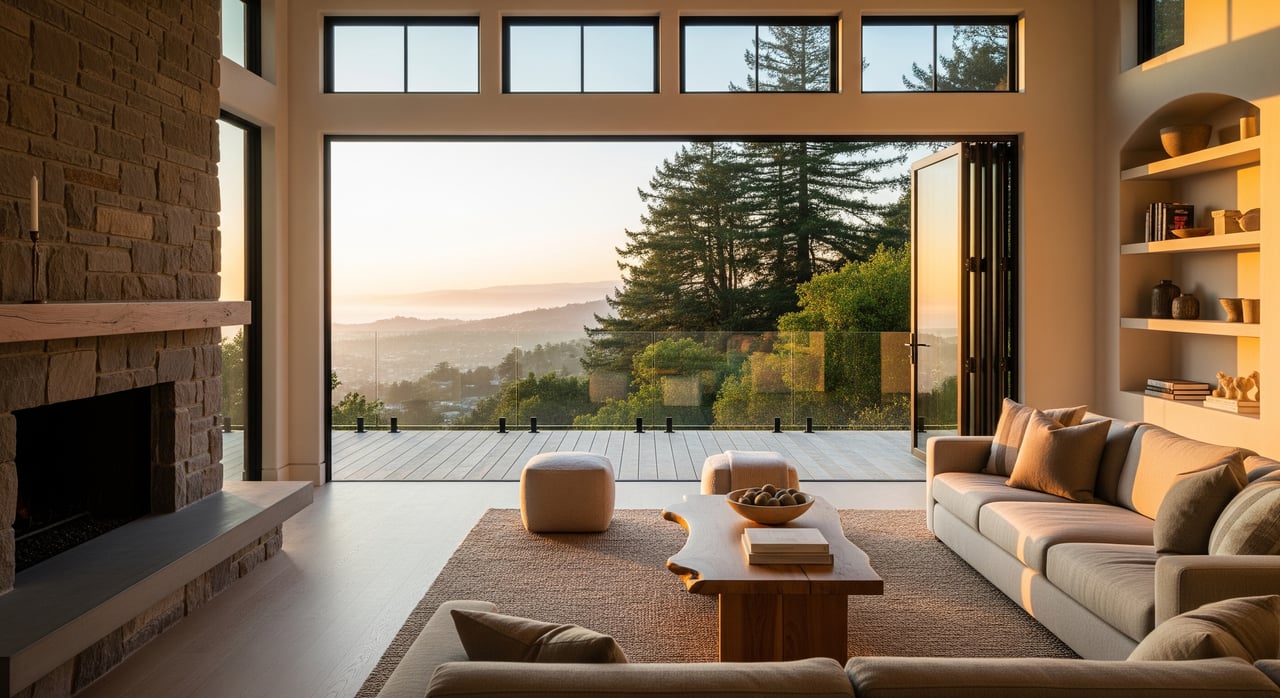
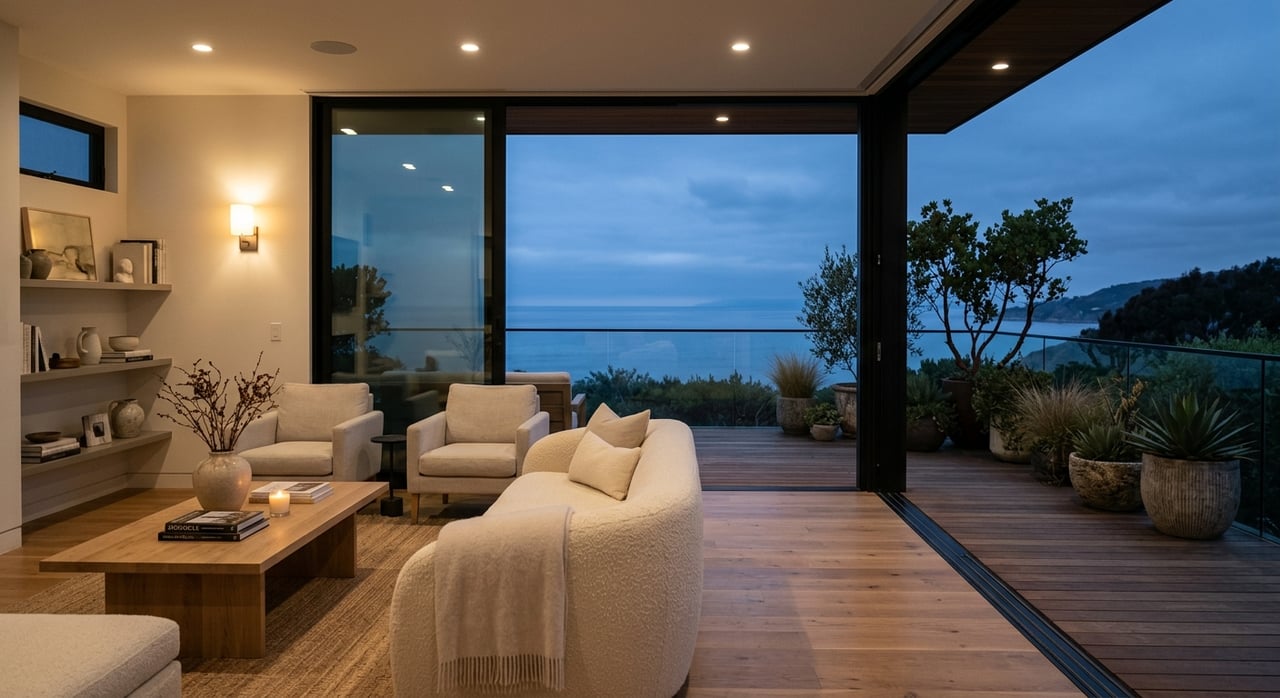
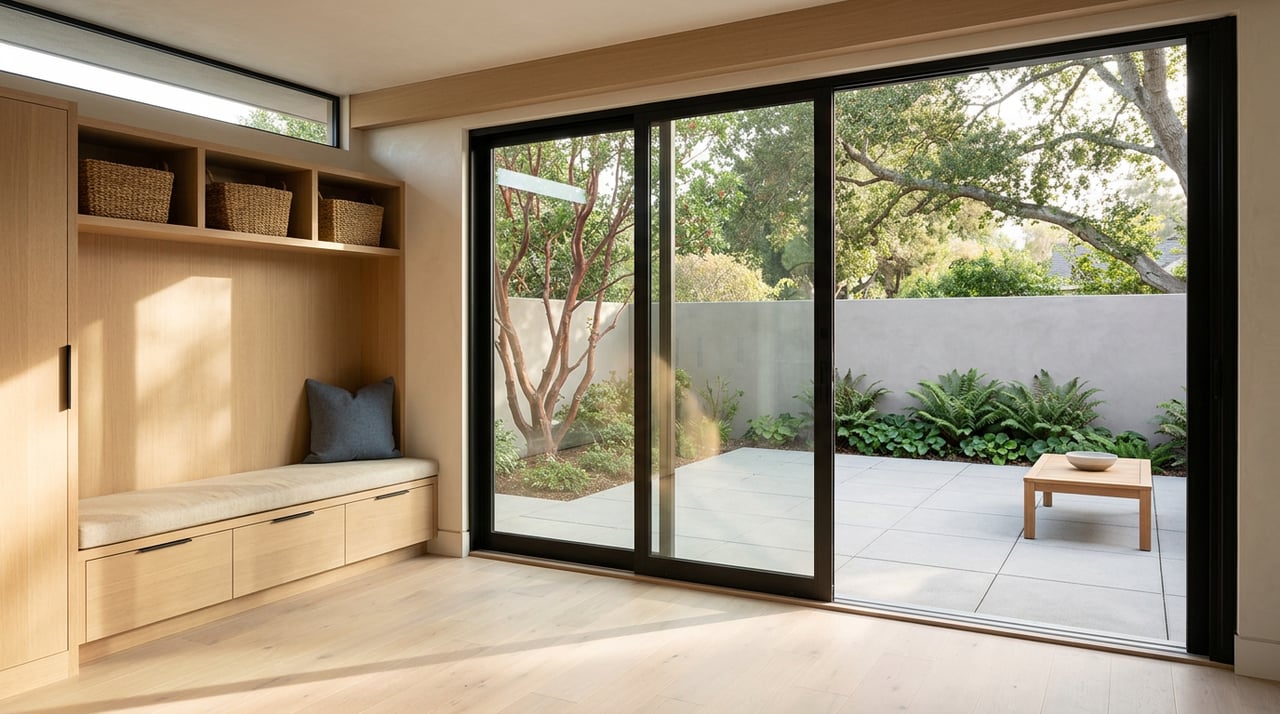
Local buyers look for indoor and outdoor flow, architectural character, natural light, and a calm, turnkey feel. Proximity to parks and trails, Highway 101, and ferry access can be a bonus for some buyers. Outdoor space that feels usable and low maintenance also matters. A design-led plan that highlights light, texture, and function will help your cottage stand out.
Know your requirements first
Before you touch finishes, confirm any permit needs and safety items. If your property is within city limits, review guidance from the City of Mill Valley Building Department. For unincorporated areas, check Marin County’s building and planning resources. If you are in a wildfire-prone zone, use Cal Fire’s defensible space guidance to plan vegetation clearance and document your work for buyers.
Your design-led, low-disruption checklist
1. Safety, inspections, and disclosures
- Fix active leaks, electrical hazards, broken windows, and loose handrails.
- Gather permits and receipts for roofs, foundation, and major systems. Share them with buyer agents.
- If applicable, document defensible space work following Cal Fire’s recommendations.
2. Curb appeal and exterior basics
- Pressure wash siding and walkways, clear gutters, and tidy beds with fresh mulch.
- Trim shrubs, remove dead plants, and edge the lawn or groundcover for a crisp look.
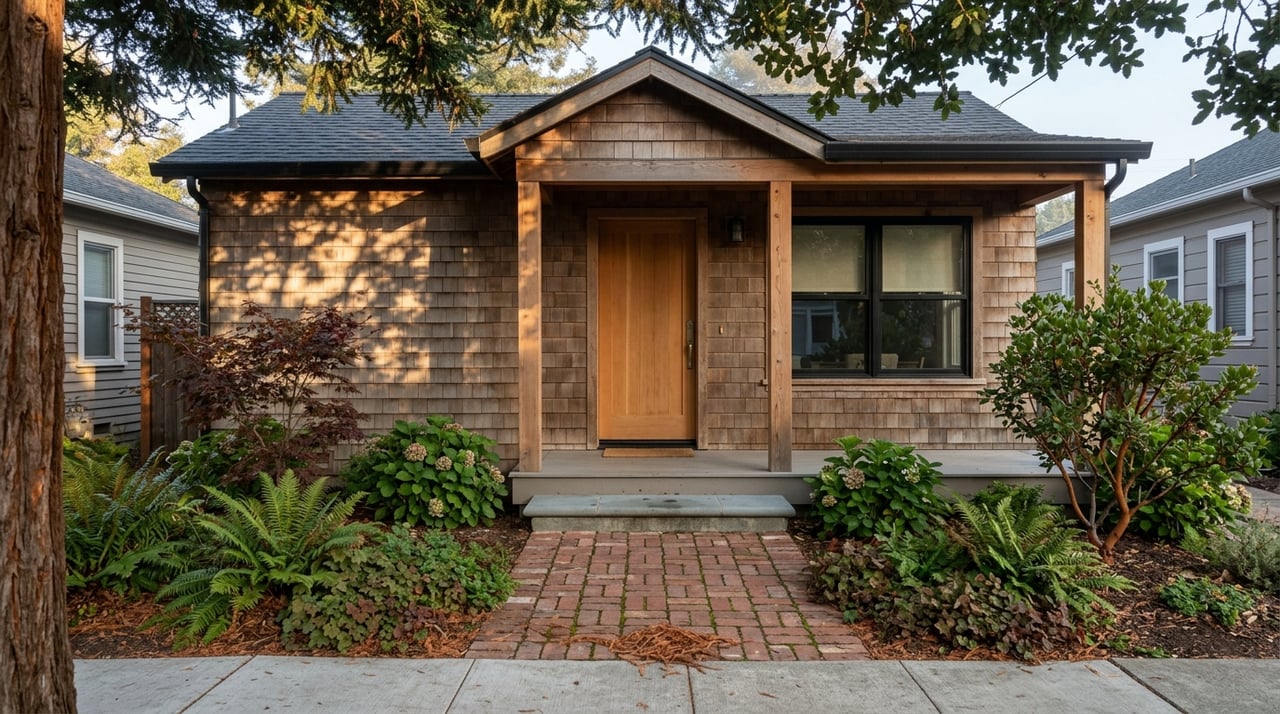
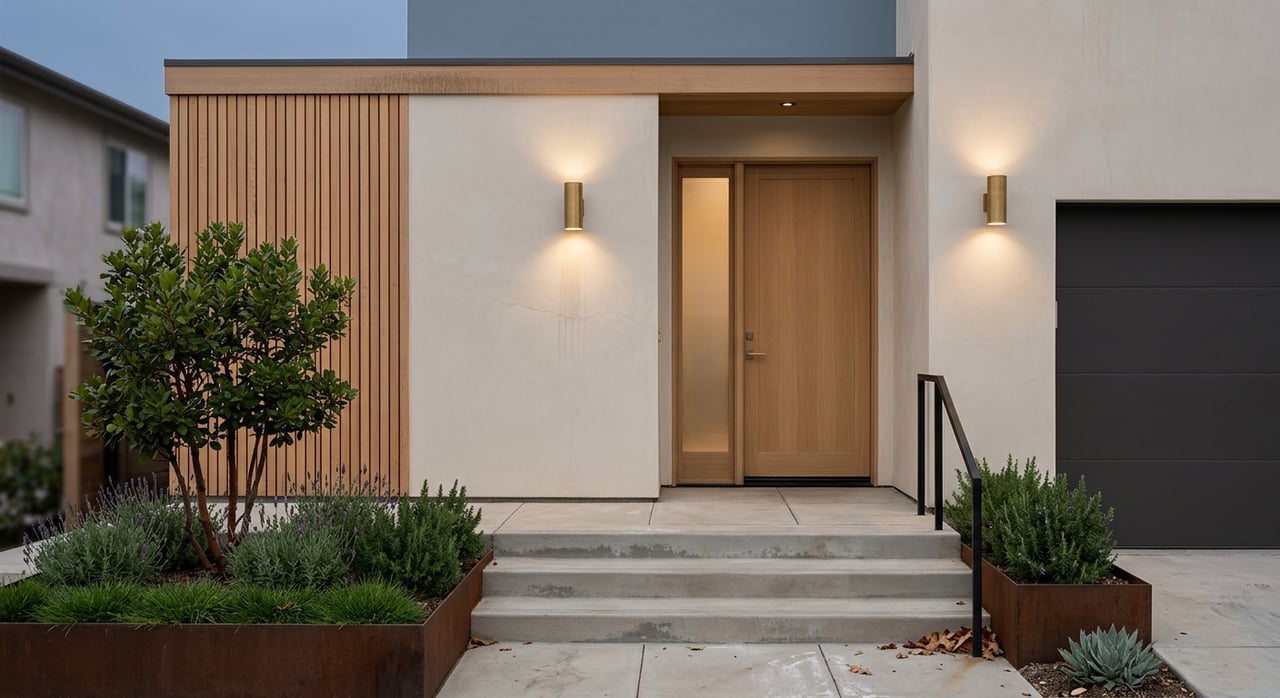
- Add small, high-impact upgrades: new house numbers, a clean mailbox, an updated porch light, a fresh mat, and two potted plants by the entry.
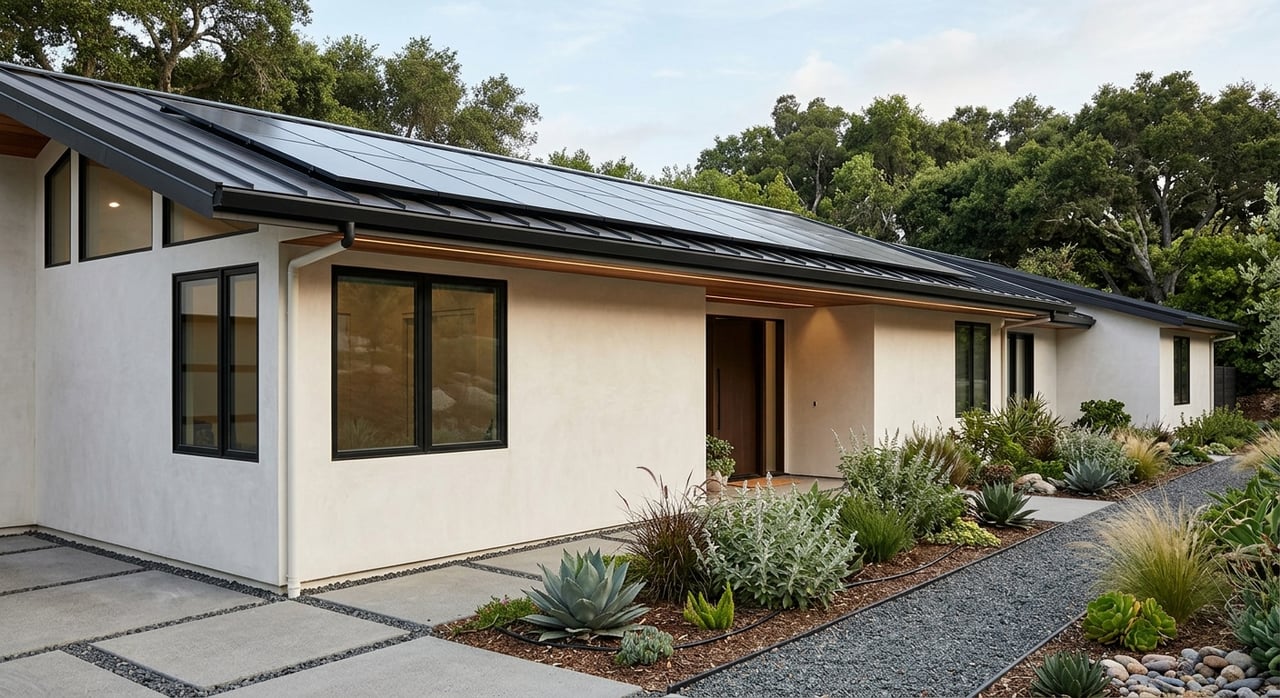
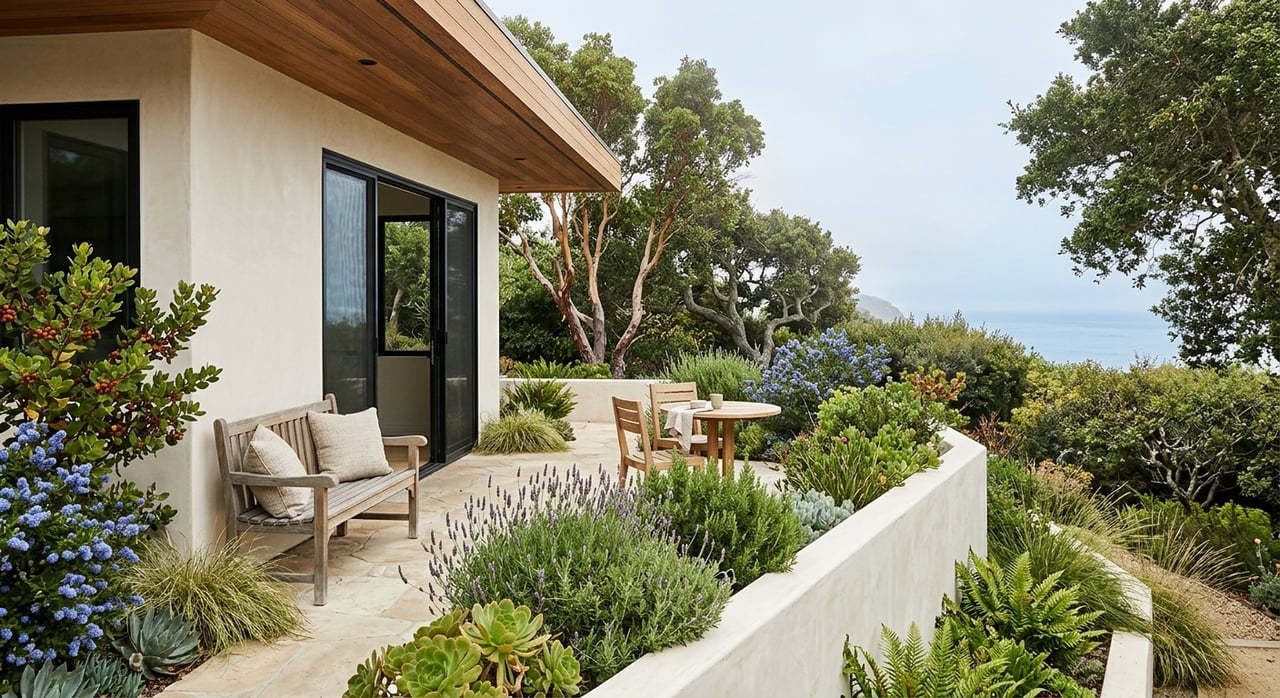
- Favor drought-tolerant, native-style plantings that are tidy and low maintenance. Keep dense vegetation away from the structure to reduce moisture and wildfire concerns.
3. Whole-house paint plan
- Choose a single, neutral palette to unify rooms and brighten interiors.
- Walls: warm off-white or soft white, soft greige, or a very pale warm gray.
- Trim: a slightly warm white or preserve authentic wood stain where it is a feature.
- Accents: muted greens, soft blues, or warm earth tones on one wall or built-ins only.
- Use eggshell or satin on walls for a gentle sheen. Use semi-gloss on trim and doors for durability and light bounce.
4. Lighting that flatters
- Install LED bulbs for consistency and efficiency. Aim for 2700–3000K in living and bedrooms, 3000–3500K in kitchens and baths for task clarity.
- Replace dated fixtures with simple, period-appropriate pieces in brass, matte black, or warm metals.
- Add dimmers on main living circuits for mood control in photos and showings.
- Clean windows and replace heavy drapery with light sheers to maximize daylight.
5. Floors and surfaces
- Refinish original hardwoods when possible to preserve cottage character.
- Deep clean or replace carpeting, and use neutral area rugs to define spaces.
- Regrout or replace cracked tile in baths for a quick, low-cost refresh.
6. Kitchen and bath refreshes
- Kitchen: deep clean, declutter, paint or reface cabinets, add new hardware, update faucet and lighting. If needed, consider an affordable quartz or butcher-block countertop and a simple backsplash.
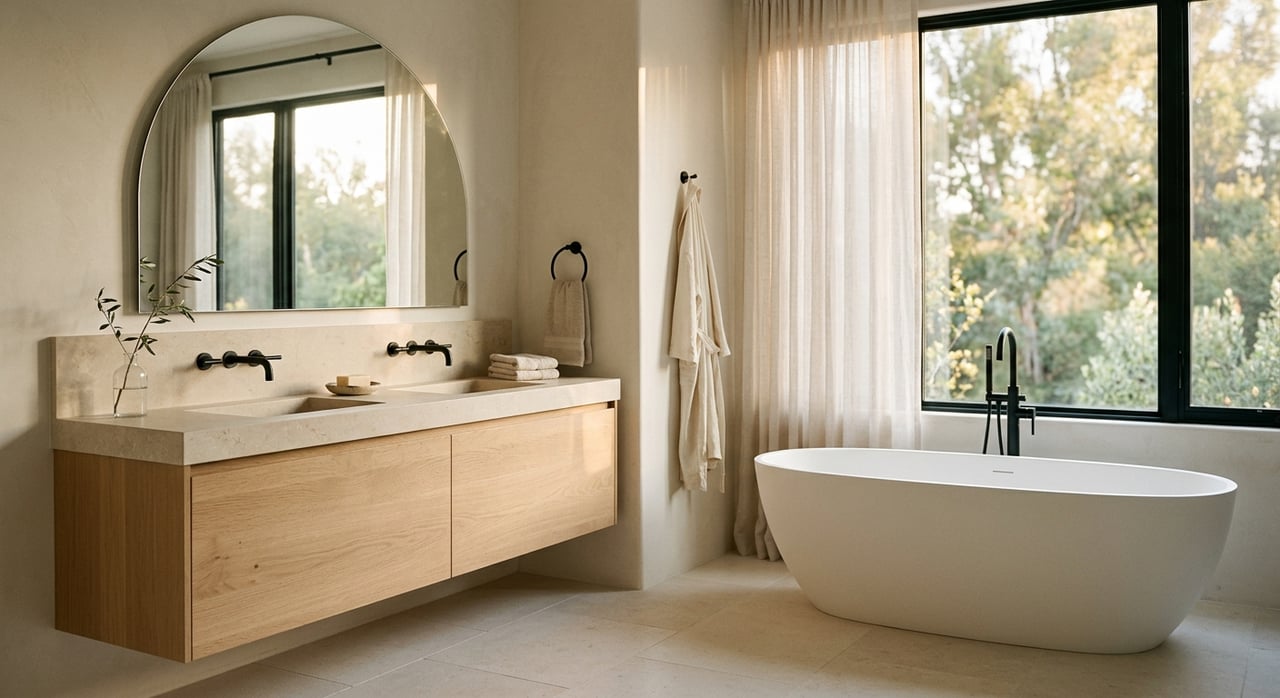
- Baths: recaulk and regrout, update the mirror and vanity hardware, and refresh lighting and faucets. Refinish the tub if it is worn.
- Provide ages of appliances and note recent maintenance to build buyer confidence.
7. Small upgrades with big impact
- Update door hardware and outlet or switch plates for a crisp, cohesive look.
- Install a smart or programmable thermostat.
- Add closet systems or built-in storage where it helps small rooms live larger.
Outdoor living that sells in Marin
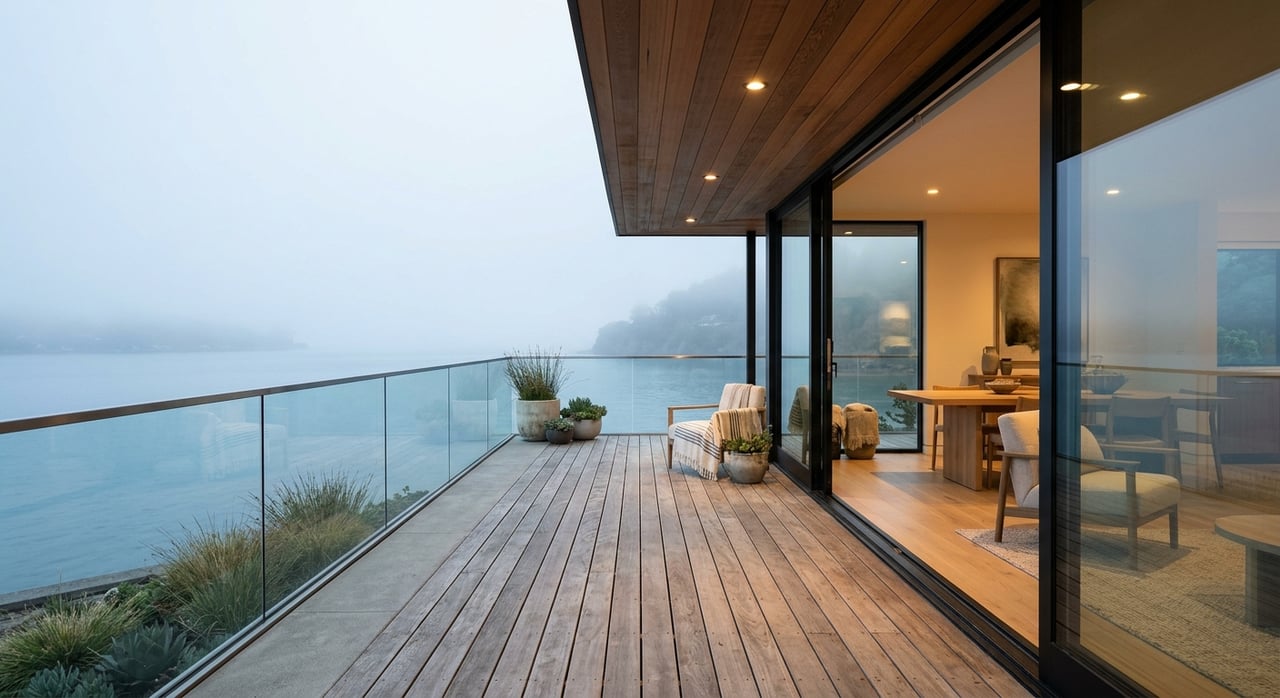
- Clean and secure the porch and deck. Tighten railings, replace rotted boards, and reseal if needed.
- Open sightlines to the yard or views by trimming low branches and overgrowth.
- Create a simple outdoor “room” with compact seating and a bistro table to suggest dining potential.
- Use gentle path lights and soft deck lighting for evening showings and photos.
- Establish a low-flammability zone near the house with gravel or stone and select low-growing plants, following defensible space best practices.
Staging that respects cottage character
- Highlight period details like trim, built-ins, beams, and bay windows. Clean and repair rather than replace.
- Right-size furniture so rooms feel open and functional.
- Use light, natural fabrics and layered textures. Add a few living plants to reinforce indoor and outdoor connection.
- Create a story for each room: a reading nook, a small work zone, or a breakfast corner.
- In bedrooms, choose neutral bedding and keep pathways clear. Remove most personal items.
Photography flow and shot list
- Schedule interiors for midday when natural light is abundant. Consider a twilight exterior if outdoor lighting is a feature.
- Prioritize these shots:
- Front exterior and entry
- Living room with architectural features and any views
- Kitchen wide shot plus a detail on key updates
- Dining area
- Primary bedroom and bath
- Secondary bedrooms or office
- Backyard, patio, and outdoor living
- Special features such as fireplace, built-ins, or storage
- Ask your photographer to use HDR thoughtfully, avoid extreme wide-angle distortion, and include at least one image that shows room-to-room flow. A floor plan or simple 3D tour can help buyers understand layout.
Timeline you can live with
- Week 0: Consult a local listing agent for a prioritized project plan and bids.
- Week 1: Confirm permits or inspections and schedule vendors.
- Weeks 1–2: Exterior clean-up, landscaping, and minor repairs.
- Weeks 2–3: Paint and lighting updates. Refinish hardwoods if needed.
- Week 3: Deep clean, final staging, photography, and marketing prep.
- Week 4: List the home, tuned to local market timing.
Costs, ROI, and smart expectations
You do not need a full remodel to win attention. Industry resources like the Remodeling Cost vs. Value Report and the National Association of Realtors’ staging research consistently show that minor cosmetic updates, fresh paint, lighting improvements, and professional staging can elevate buyer perception and help homes sell faster. Keep the scope tight and focused on light, function, and first impressions.
Contractor, permits, and documentation
- Vendors to consider: licensed general contractor for structural scope, licensed electrician and plumber for safety items, professional painter, flooring contractor, landscaper with native-plant experience, professional stager, and a real estate photographer.
- Vet each vendor’s license, insurance, and local references. Get written estimates and timelines.
- Verify any permit needs with the City of Mill Valley or Marin County before you begin.
- Keep a folder with receipts, permits, appliance ages, warranty info, and defensible space notes. Clear documentation smooths disclosures and reassures buyers.
Ready for a smooth sale?
A design-led plan lets your Mill Valley or San Rafael cottage shine without a long renovation. If you want hands-on guidance, vendor coordination, and premium marketing tailored to Marin buyers, connect with First California Realty, Inc.. Let’s create a smart prep plan and launch your listing with confidence.
FAQs
What should I paint a Mill Valley cottage before listing?
- Use a warm off-white or soft greige across main areas, a slightly warm white on trim, and keep any accents muted and minimal to maintain a bright, cohesive feel.
Do I need permits for minor updates in Mill Valley?
How do I prepare for wildfire risk when selling in Marin?
- Create defensible space by reducing flammable vegetation near structures, tidy landscaping, and document your work using Cal Fire’s guidance for buyer confidence.
Is virtual staging effective for a cottage listing?
- Virtual staging can help when rooms are empty. If you use it, disclose it on the listing and pair it with professional photos that show real finishes and light.
What is a realistic pre-list timeline for light updates?
- Plan about four weeks: one for planning and scheduling, one to two for exterior clean-up and paint or lighting, and one for staging and photography before going live.