What To Look For When Buying A Mill Valley Home
June 18, 2026
June 18, 2026
Buying in Mill Valley can feel simple at first glance. The homes are compelling, the setting is beautiful, and many buyers know quickly when a property has the right look or location. But in Mill Valley, the details behind the address matter just as much as the finishes you see on a showing. If you want to buy with more confidence, it helps to know how terrain, access, drainage, and jurisdiction can shape daily life and long-term ownership. Let’s dive in.
One of the first things to check is whether the property is actually within Mill Valley city limits or in the broader 94941 area. Some homes with a Mill Valley postal address are outside the city and may be served by Marin County or special districts instead.
That distinction can affect permits, services, and how you evaluate the property. Areas such as Strawberry, Tam Valley, Homestead, Almonte, and Alto may carry a Mill Valley address without being governed by the city itself.
Early in the process, it is smart to verify zoning, land use, floodplain status, and assessor information. Mill Valley directs buyers to local parcel and planning tools for exactly this kind of due diligence, and it can help you avoid costly assumptions before you write an offer.
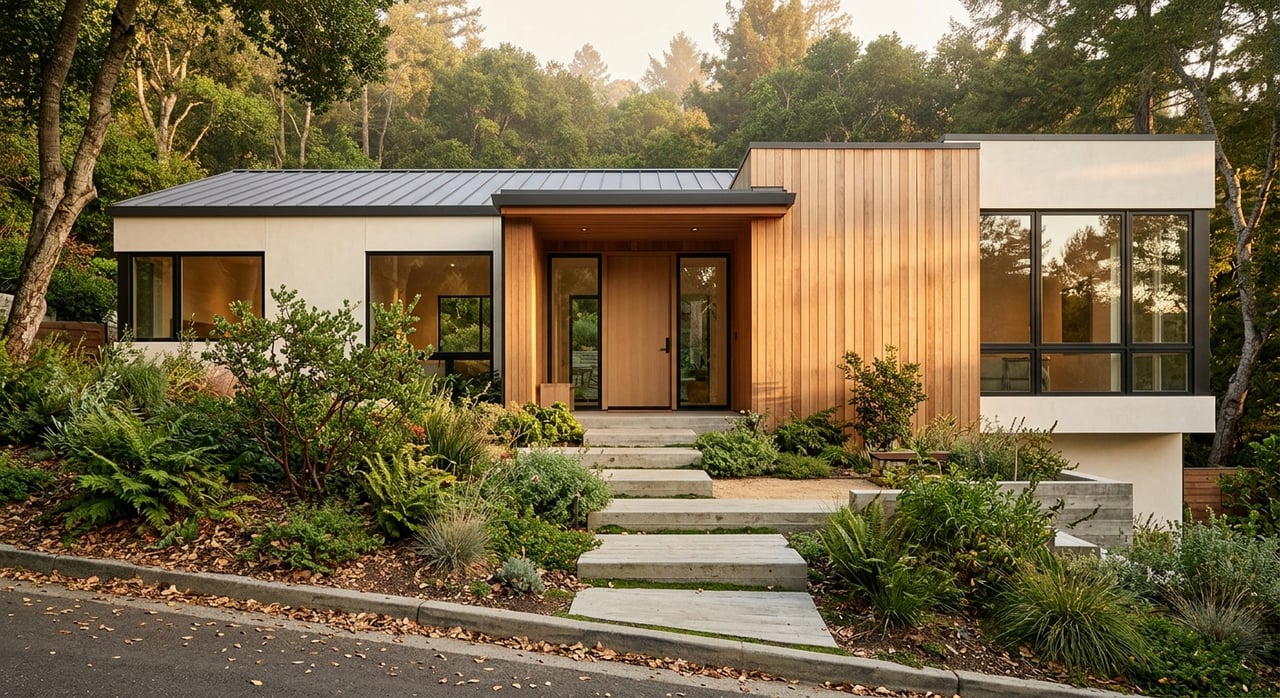
A beautiful kitchen or updated bath can draw you in, but Mill Valley homes need a wider lens. The city is shaped by mountain slopes, irregular terrain, and a long-established network of steps, lanes, and paths, so one lot can function very differently from the next.
That means your buying decision should include how the home sits on the land, how you get to it, and how the site performs in different weather conditions. In many cases, those factors will affect your day-to-day experience more than a cosmetic update.
In a hillside setting, layout matters. A home with a usable main living level, practical bedroom placement, and good storage will often feel easier to live in than one with frequent level changes or awkward circulation.
If you work from home, pay attention to whether there is a true office zone with privacy and natural light. In a compact, topography-driven market like Mill Valley, not every extra corner functions well as work space.
Sun exposure in Mill Valley is highly lot-specific. Slope, tree cover, and orientation can change how bright, warm, or shaded a home feels, even compared with another property nearby.
If possible, see the home at different times of day. A property that feels serene in the morning may feel darker later on, while a home with open light may also have more visibility from neighboring decks, windows, or uphill vantage points.
In Mill Valley, the site deserves as much attention as the structure. Drainage, slope, parking, and access are not minor details here. They are core parts of how a home functions and what it may cost to maintain.
Drainage is one of the most important items to review. Mill Valley notes that drainage is tied to hillside stability and landslide prevention, and the city recommends consulting a civil engineer, geotechnical engineer, or geologist if a property may have special risks.
As you tour the property, look for signs that runoff is being managed well. Gutters, drains, retaining walls, and visible slope maintenance all deserve a closer look, especially if the home sits on steeper terrain.
The city also warns about localized flooding in low-lying areas and mudslide risk during heavy rain. That makes it wise to ask about flood history and watch how water may move across the lot during storm conditions.
Parking can be more important in Mill Valley than buyers first expect. Hilly topography, narrow streets, and garage placement can affect both convenience and safety.
The city notes that rights-of-way are typically 40 or 50 feet wide, and some apparent parking areas may still be public right-of-way. A home that looks straightforward online can feel very different when you test the driveway, curb parking, and street width in person.
It is also worth checking whether daily access feels easy for guests, deliveries, and emergency vehicles. Mill Valley requires 11 feet of roadway to remain clear, so narrow streets can create practical limits that matter long after closing.
Mill Valley is known for its local character, and part of that comes from its unusual pedestrian network. The city has more than 175 steps, lanes, and paths, many of which historically connected residents to the same destinations served by roads.
That is a real asset, but it is important to think about walkability in practical terms. A route may exist on a map, yet still feel steep, narrow, or unrealistic for everyday use.
If walkability matters to you, test the route from the actual home to town, parks, or nearby destinations. The key question is not just whether there is a shortcut. It is whether the route feels comfortable and repeatable for daily life.
Some buyers also value easy access to local pathways. For example, the Charles F. McGlashan Pathway connects to the Mill Valley/Sausalito multiuse pathway and can be accessed from Tennessee Valley Road and Marin Avenue.
Commute patterns can vary widely within Mill Valley. A home may be only a short distance from downtown, but that does not always mean the same travel experience to Highway 101 or into San Francisco.
The city uses East Blithedale as a core entry point in its directions, which is a good reminder to test your drive from the specific property. In a terrain-driven market, one address can feel much more connected than another.
For transit users, Golden Gate Transit Route 114 currently serves the Mill Valley to San Francisco commute, with endpoints in Mill Valley and the Financial District. Marin Transit Route 17 also serves Mill Valley, including stops along East Blithedale and Miller Avenue.
Storm conditions can also affect travel. The city warns that flooding and fallen trees can cause road closures or backups, so it is worth factoring weather-related variability into your buying decision.
A smart Mill Valley purchase is not just about winning the house. It is also about reducing surprises after closing. That starts with reviewing the physical systems and local risks that can affect future costs and resale.
Sewer condition is an important resale item in Mill Valley. The city requires a sewer lateral inspection when a property is sold, and the owner is responsible for maintaining the lateral all the way to the city main.
That makes it worthwhile to understand the condition of the line before you close. Even in a high-demand market, practical infrastructure can shape both your ownership experience and future resale prep.
Wildfire readiness is part of owning in Mill Valley. The city’s public review draft safety element states that wildland fire hazards exist throughout the city and are influenced by weather, topography, vegetation, and utility infrastructure.
The city also notes that public safety power shutoff outages can last for hours or days. Before you fall in love with a view, take a close look at defensible space, roof condition, landscaping, and any backup power planning that may be needed.
Flooding is another issue to review with care. Mill Valley specifically identifies lower Miller Avenue, Camino Alto, and the Redwood Highway frontage road as areas where high tide and runoff can contribute to flooding.
Even if a home is not in one of those exact areas, low-lying conditions and runoff patterns should still be part of your evaluation. In this market, micro-location matters.
In Mill Valley, the homes that often age best are not always the ones with the flashiest first impression. They are usually the properties with usable light, a straightforward floor plan, sensible parking, practical access, strong drainage, and a location that balances town or freeway connection with the setting buyers want.
That balance can look different for each buyer. You may care most about privacy, a realistic walk to town, easier commuting, or simpler site conditions. The key is to match the home’s real-world function to the way you actually plan to live.
A thoughtful buying strategy can help you do that with more clarity. At First California Realty, Inc., we help buyers look past the surface, ask the right local questions, and evaluate Marin homes with care and discretion.






Partner with a dedicated team to experience seamless real estate service. Our collective expertise, from strategic marketing to personalized support, ensures your goals are met with precision and care. Let us guide you through every step, delivering exceptional results tailored to your needs.